
Introduction
Most sellers know staging matters. Fewer realize how much the wrong choices can cost them — in time on market, in offers, and in final price.
The numbers support taking this seriously. According to the NAR's 2025 Profile of Home Staging, 83% of buyers' agents reported that staging made it easier for buyers to visualize a property as their future home — and 49% of sellers' agents reported shorter time on market for staged homes.
Yet sellers routinely undermine their own listings with mistakes that are easy to miss and costly to ignore. This guide covers six of the most common, including what goes wrong, why it hurts, and what to do instead.
Key Takeaways
- Hiding clutter in closets signals a storage problem — buyers always look inside
- Personalized spaces make it harder for buyers to emotionally claim the home as their own
- Furniture that's too large or too small distorts how buyers perceive a room's usability
- Poor lighting and lingering odors can kill a sale even when everything else looks polished
- Curb appeal may account for up to 7% of a home's sale price, according to peer-reviewed research
Mistake #1: Hiding Clutter Instead of Eliminating It
Why This Backfires
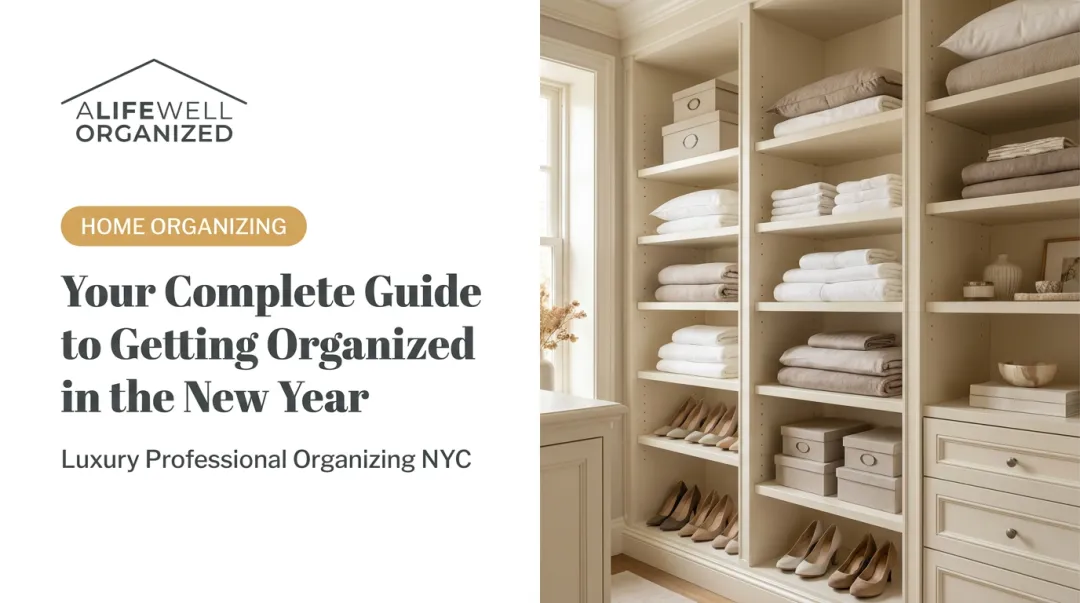
The temptation is understandable. Sellers clear living areas by stuffing boxes into closets, piling things in the garage, and cramming guest rooms floor to ceiling. The home looks clean on the surface. The problem? Buyers open every door.
During showings, buyers routinely inspect closets, pantries, and storage areas to assess whether the home can actually accommodate their lives. A closet that bursts open the moment it's touched sends a clear message: this home doesn't have enough storage. Storage capacity ranks among buyers' top priorities — NAHB's nationwide buyer survey found that 81% of buyers rated a walk-in pantry as essential or desirable, and that appetite for storage extends well beyond the pantry.

The Fix
Start decluttering well ahead of listing day — not the week before. Sort every area into four categories:
- Items you use regularly or genuinely love (keep)
- Serviceable pieces worth donating or consigning
- Valuables worth listing or selling separately
- Anything broken, expired, or redundant (discard)
That sorting process should extend beyond the main living spaces. Attics, basements, mudrooms, and garages all get opened. Rent a temporary storage unit for items you're keeping but don't need on display.
For sellers who find this overwhelming — especially those in larger NYC-area homes or working through decades of accumulated belongings — A Life Well Organized provides full pre-listing declutter and organizing services across Manhattan and the Tri-state area. Their NAPO-certified team works through a structured four-phase process — Discover, Declutter, Organize, Balance — and can coordinate trusted vendors for donation, appraisal, and removal.
Schedule a complimentary evaluation at alifewellorganized.com/contact.
Mistake #2: Over-Personalizing the Space
The Psychology Problem
Buyers need to see themselves in your home. That becomes almost impossible when every wall tells the story of someone else's life.
Over-personalization includes family photo galleries, bold collections (sports memorabilia, taxidermy, religious or political decor), and highly specific design choices tied to the current owner's identity. None of these are wrong to own — but they're wrong to display during a sale.
According to NAR's showing guidance, buyers form strong impressions within minutes of entering a home, and personal items prevent them from emotionally projecting themselves into the space. The same NAR survey that found 83% of buyers' agents cite visualization as a staging benefit confirms that anything disrupting that visualization directly undermines the buyer's emotional connection to the property.
The Fix: Depersonalize, Don't Sanitize
Depersonalizing is not about creating an empty showroom. The goal is a warm, neutral canvas — a space that could belong to anyone and therefore appeals to everyone.
Swap personal items for:
- Classic or abstract artwork in neutral tones
- Simple vases with greenery or fresh flowers
- Quality textiles (throw blankets, pillows in soft palettes)
- A curated selection of books with spines facing outward
Pack sentimental items carefully into labeled boxes early in the process. It jumpstarts your move and eliminates last-minute scrambling when showings start.
Mistake #3: Getting Furniture Scale Wrong
Both Extremes Hurt
Furniture scale is one of the most underestimated factors in staging — and it fails in two directions.
Both extremes undermine a buyer's ability to picture themselves living there:
- Oversized pieces — a bulky sectional in a mid-sized living room makes the space feel airless, and buyers immediately wonder whether their own furniture will fit
- Undersized pieces — a small four-top table in a grand dining room reads as awkward and disconnected; buyers sense something is off without being able to name it
The Fix
Assess each room individually rather than treating the home as a single staging project:
- Match furniture scale to ceiling height and square footage
- In large rooms, err toward appropriately sized pieces — not minimalism
- Confirm that traffic flow is clear and natural between furniture groupings
- Remove pieces that compete for space rather than contribute to function
The goal isn't to make rooms look big. It's to demonstrate that real people can live well in them.

Mistake #4: Overdoing the Décor
Sellers — sometimes with the best intentions — fill every surface. Fake fruit bowls. Artificial plants. Themed accessories in every corner. The instinct is to make the home feel "designed." The result is sensory overload.
Every artificial element reminds buyers that the scene is constructed. Fake greenery, plastic lemons, and inflatable accents break the emotional illusion that this could be a real, lived-in home worth buying.
Excessive or thematic décor pulls attention away from the home's actual architecture and features — the very things buyers are there to evaluate.
Less is more. Choose a simple color story for each room — two or three complementary tones — and place a few well-chosen accent pieces that feel genuinely lived-in:
- A real plant (not plastic)
- Quality artwork at appropriate scale
- Textiles in natural materials
- One or two decorative objects with visual weight
Leave intentional negative space. The home should be the focus; staging is the frame.
Mistake #5: Neglecting the Full Sensory Experience
Most sellers think visually. Buyers experience it through all their senses — and two factors consistently get overlooked: lighting and odor.
Lighting
Dim rooms, mismatched bulbs, heavy curtains blocking windows, and burned-out fixtures all make spaces feel smaller, older, and less welcoming. NAR's showing specialists note that yellow or dim lighting specifically can shrink the perceived size of a room — a significant problem when you're trying to justify your asking price.
Quick fixes make an immediate difference:
- Swap all bulbs to warm, bright LED equivalents
- Remove heavy window treatments before showings
- Clean windows thoroughly to maximize natural light transmission
- Place mirrors strategically in darker rooms to amplify brightness
Odor
Sellers become nose-blind to their own homes. Pets, cooking, cigarettes, old carpeting, and mildew are the top offenders — and NAR's reporting on home odors is explicit: buyers notice smells that sellers no longer register. No amount of visual staging compensates for a bad odor.
A note on masking: heavily scented candles or plug-ins layered over pet smells don't help. One real estate professional quoted by NAR put it plainly: the result is a "lavender-scented litter box."
Address the source directly:
- Deep-clean carpets and upholstery
- Scrub all drains and garbage disposal areas
- Ventilate thoroughly before any showing
- Enlist a trusted friend or your agent for an honest pre-showing sniff test
Mistake #6: Forgetting Curb Appeal
The exterior of your home is the first impression buyers form — both in listing photos online and in person at the curb. A beautifully staged interior means nothing if buyers arrive with a negative first impression already locked in.
A peer-reviewed study published in the Journal of Real Estate Finance and Economics found that a property's curb appeal — combined with its neighbor's — may account for up to 7% of sale price. That tracks with NAR's 2023 Remodeling Impact Report, which found 92% of REALTORS® recommend improving curb appeal before listing.
Common Exterior Oversights
- Overgrown, untrimmed landscaping
- Dirty or faded siding and peeling paint
- A cluttered front entry (shoes, packages, doormats)
- Cracked or oil-stained driveways
- Children's toys or sports equipment left on the lawn
- Cars parked in the driveway during showings or listing photos
The Fix
Most curb appeal improvements require more effort than money:
- Mow, edge, and trim all lawn and hedges
- Pressure wash the driveway, walkway, and siding
- Repaint or refresh the front door with a clean, classic color
- Add potted plants or seasonal flowers flanking the entry
- Clear all personal items from the yard and driveway before any photography session or showing

Frequently Asked Questions
What are common mistakes in home staging?
The most universal errors are failing to truly declutter (rather than just relocating clutter), over-personalizing the space with family photos and bold collections, using incorrectly scaled furniture, neglecting sensory factors like odor and lighting, and letting curb appeal slip. Each one undermines buyer confidence before they've even seen the best parts of the home.
What decreases property value the most?
Visible deferred maintenance is the biggest driver — Zillow's 2025 analysis of over 2 million listings found "needs work" homes sold for about 8% below expected value and "fixer-upper" listings came in 7.3% below comparable homes. Clutter, bad odors, and a neglected exterior compound that effect even in a strong market.
Does home staging actually increase the sale price?
It can. NAR's 2025 survey found 29% of sellers' agents reported a 1%–10% increase in offer value for staged homes, and 49% reported shorter time on market. The figures are agent-reported, but the directional consensus across the industry is consistent.
Should you declutter before staging your home?
Decluttering is the essential first step — no stager can work effectively over personal items and excess belongings. Complete the declutter phase before your agent's walkthrough and well before the stager arrives.
What rooms are most important to stage when selling?
The highest-impact rooms are the living room, primary bedroom, kitchen, and entryway — these are where buyers form their strongest first impressions. That said, leaving any room completely empty is also a mistake. Vacant rooms make a home feel unfinished and make it harder for buyers to gauge scale and function.